


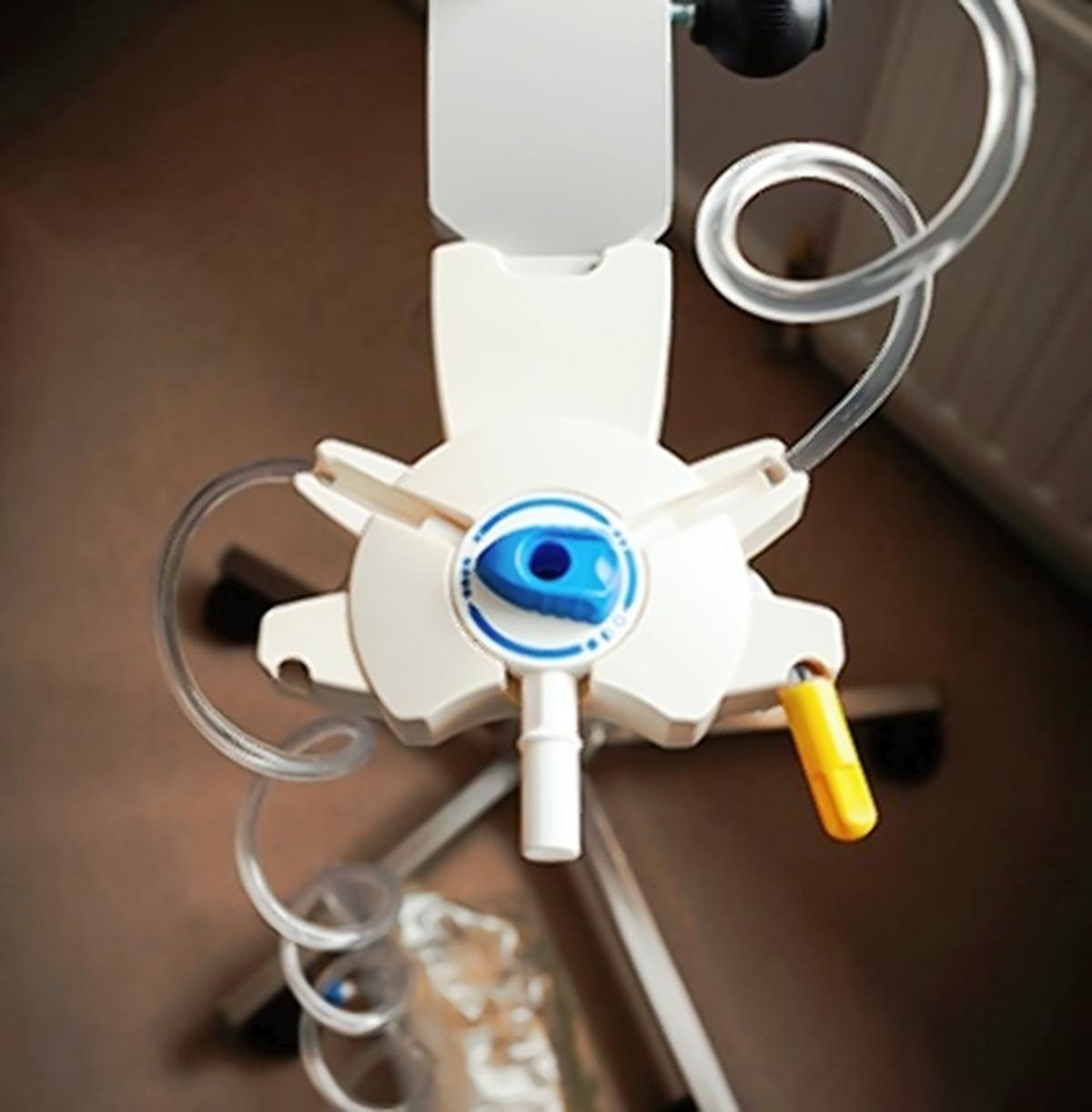
Peritoneal dialysis uses the lining of the abdomen to filter waste and excess fluid from the blood. It allows patients to receive treatment at home, reduces the need for frequent hospital visits, and supports continuity of education, particularly for children |Photograph used for representational purpose only
| Photo Credit: istock.com/victoriaashman
An advocacy paper, developed by nephrology experts of the country, outlines a roadmap to scale peritoneal dialysis (PD) — a home-based treatment for kidney failure — across India, ensuring equitable access to treatment for kidney failure, especially for rural and marginalised communities.
According to a press release, centre-based haemodialysis, a life-saving treatment, while far more widely available now than in the past thanks to public funding schemes, is still disadvantageous — many patients in underserved rural areas and low-income settings do not have access to it. Peritoneal dialysis, a home-based dialysis treatment, has the potential to overcome this barrier and make the treatment more accessible. However, only 5% of all dialysis patients currently receive this form of therapy. Only a few states, including Andhra Pradesh, Chhattisgarh, Kerala, Telangana, and Tamil Nadu, have begun piloting the inclusion of PD in public schemes, the press release said.
Peritoneal dialysis utilises the lining of the abdomen (known as the peritoneum) to filter waste and excess fluid from the blood. PD allows patients to receive home-based care, reduces travel burdens, supports continuity of education (especially for children), promotes equity across populations, and enables continuity of treatment even in fragile or geographically isolated settings. Moreover, when scaled up in a strategic manner, it can reduce the overall cost of treatment.
To evaluate how PD can be scaled in a resource-constrained setting like India, the researchers utilised the Program Sustainability Assessment Tool (PSAT) Framework. The researchers recommend the inclusion of PD under the Pradhan Mantri Jan Arogya Yojana (PM-JAY), the development of State-level PD blueprints, and the establishment of a national PD registry to ensure equity-focused monitoring. They also recommend structured public-private partnerships and community-level education to improve acceptance and sustainability.
Published – October 10, 2025 02:52 pm IST


Leave a Reply